Roofing
Pointing
Small mortar joints, a big job keeping your roof watertight.
Overview
Pointing You Can Depend On
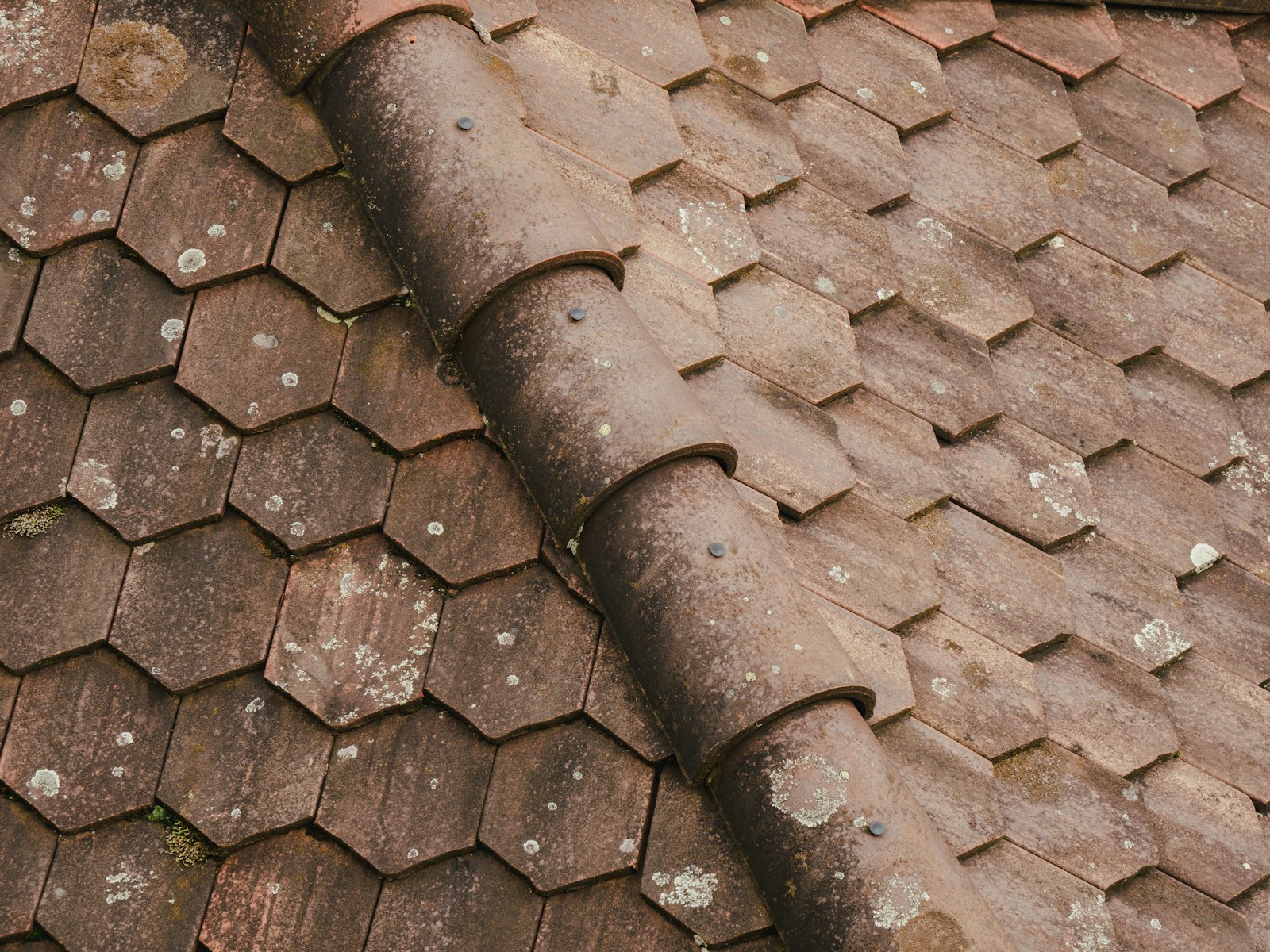
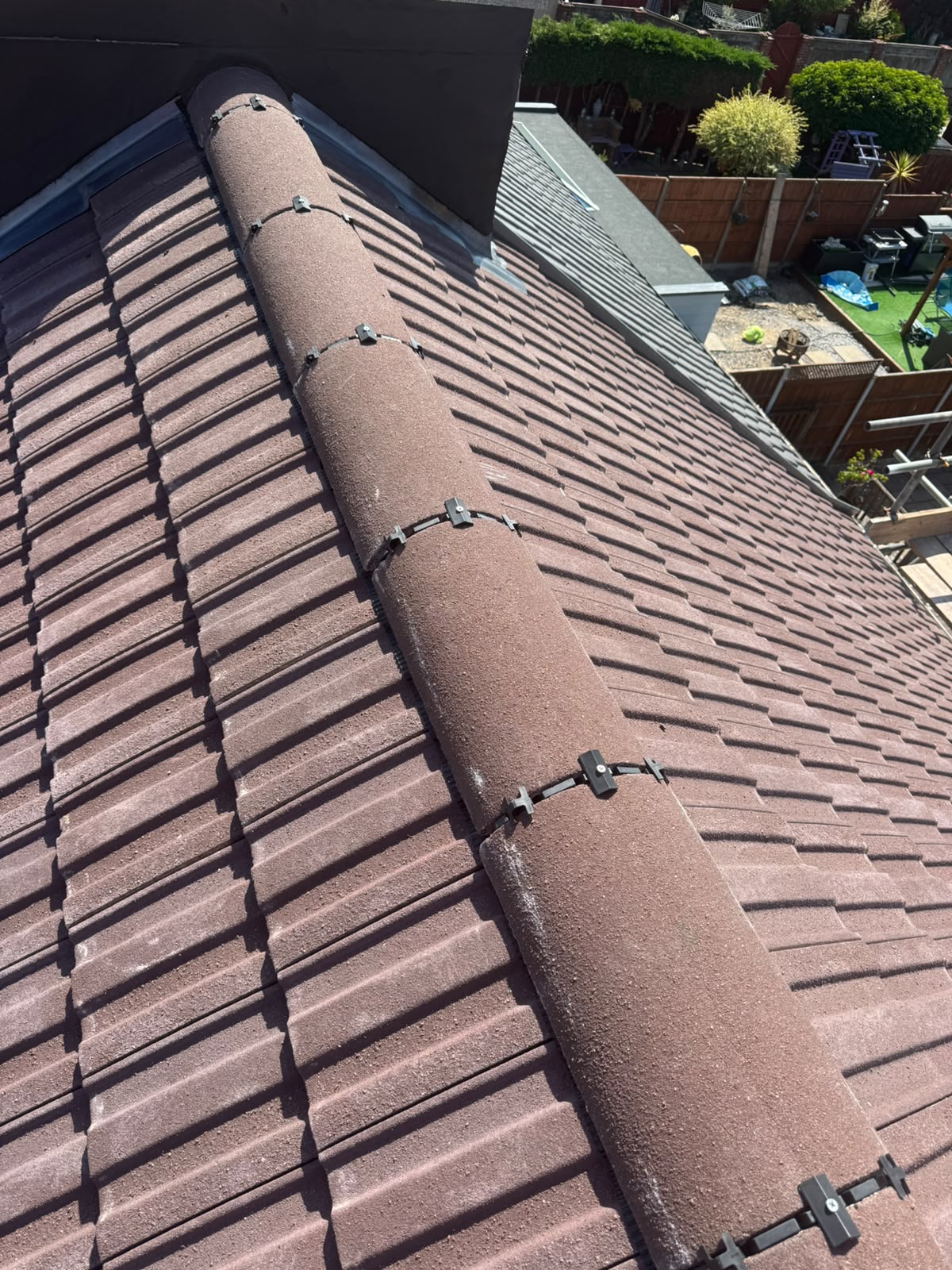
Ridge tiles, hip tiles and verges are traditionally bedded and pointed in mortar, sealing the joints between tiles and holding them securely in place along the highest and most exposed lines of the roof. Over time, that mortar cracks, erodes and eventually fails, allowing wind-driven rain in and, in more severe cases, letting ridge tiles work loose entirely. Advanced Roofers Ltd carries out roof pointing repairs across ridges, hips, verges and chimney stacks.
We assess whether traditional re-pointing with a weatherproof mortar mix is the right fix, or whether upgrading to a mechanical dry-fix ridge and verge system offers better long-term value — dry-fix systems clip tiles mechanically in place rather than relying on mortar, removing the risk of future mortar failure altogether.
Because ridge and verge lines sit at the most exposed points on a roof, catching failing pointing early is one of the most cost-effective pieces of roof maintenance available — a relatively small repair here prevents tiles working loose, slipping, or letting water track into the roof structure below.
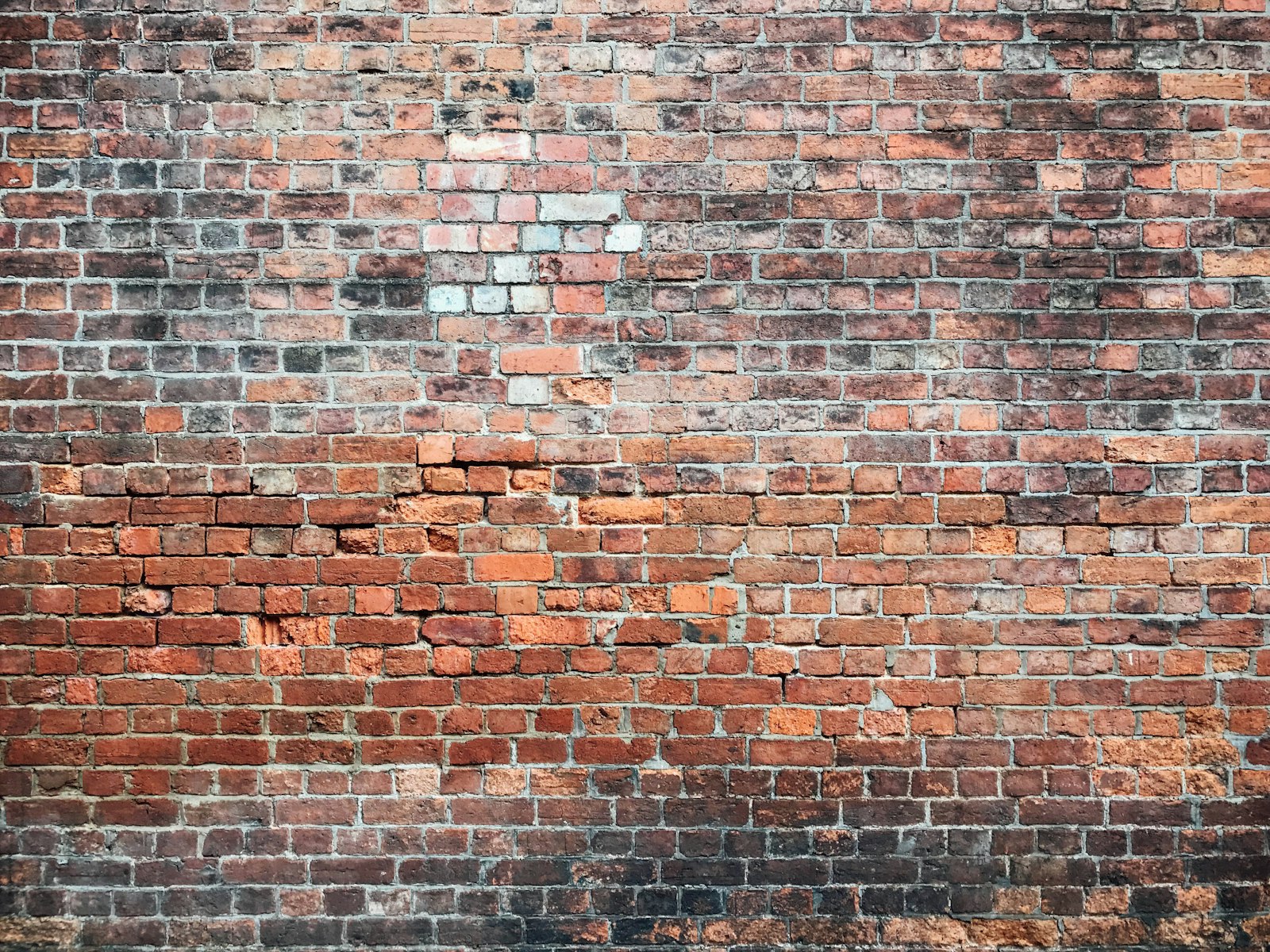
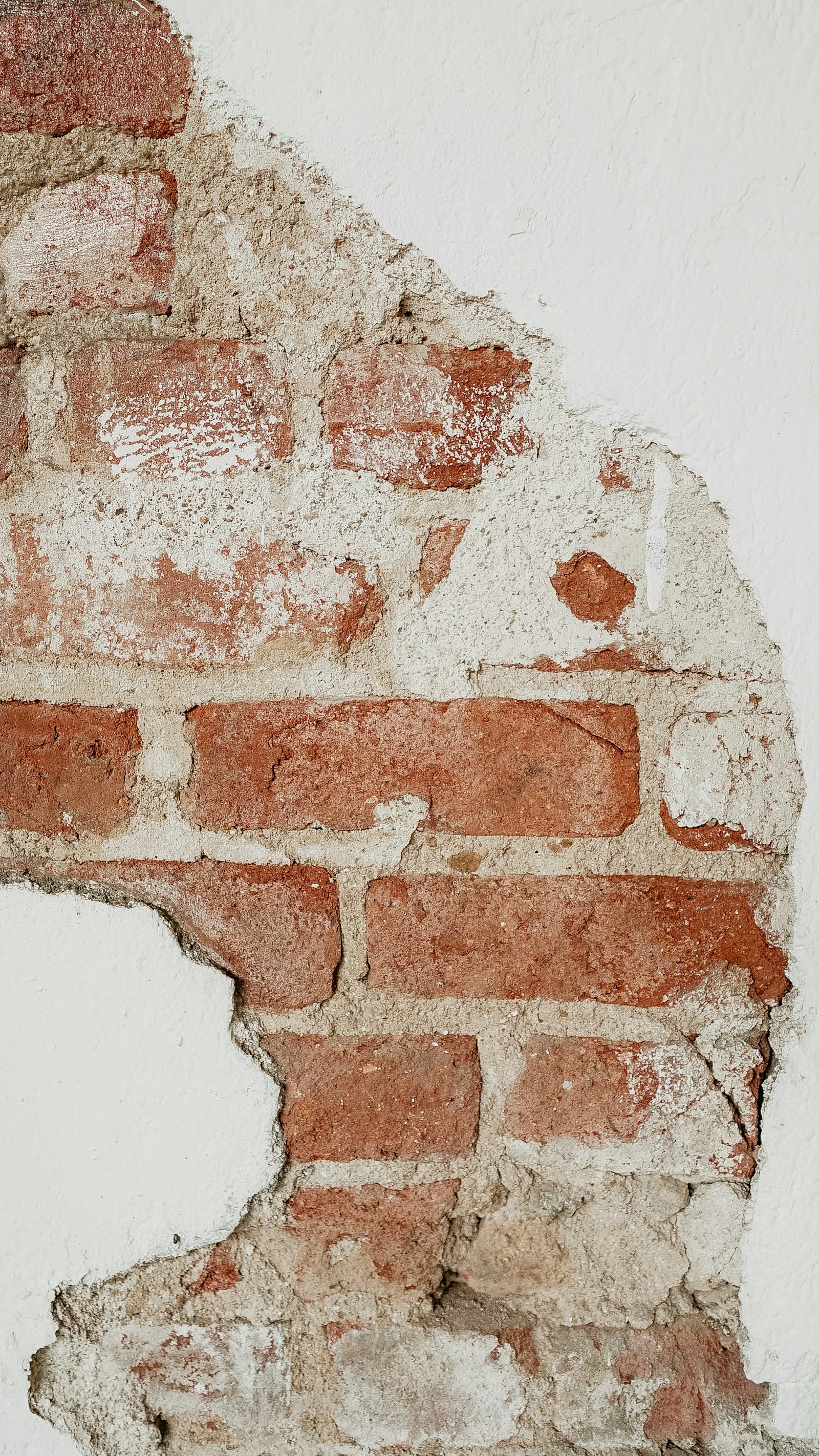
We also carry out brick pointing repairs to chimney stacks and parapet walls as part of our wider roofing work, using a mortar mix matched to the age and type of the existing brickwork so repairs blend in rather than standing out.
Pointing at a Glance
- ✓
Stops Water at the Ridge
- ✓
Secures Loose Tiles
- ✓
Dry-Fix Upgrade Available
- ✓
Cost-Effective Maintenance
Category
Roofing
Is It Time?
Signs you may need our pointing service
Not sure whether now is the right time to get in touch? These are some of the most common signs our customers mention when they first contact us about pointing — if any of these sound familiar, it’s worth arranging a free, no-obligation inspection.
Book a Free Inspection- ⚠Cracked, crumbling or missing mortar along the ridge or hip line
- ⚠A ridge tile that looks loose, lifted or slightly out of line
- ⚠Sandy mortar debris collecting in the gutter below the ridge
- ⚠Daylight or draughts noticeable at the verge from inside the loft
- ⚠Visible gaps or erosion in mortar joints on a chimney stack
Recent Work
Pointing projects we've completed
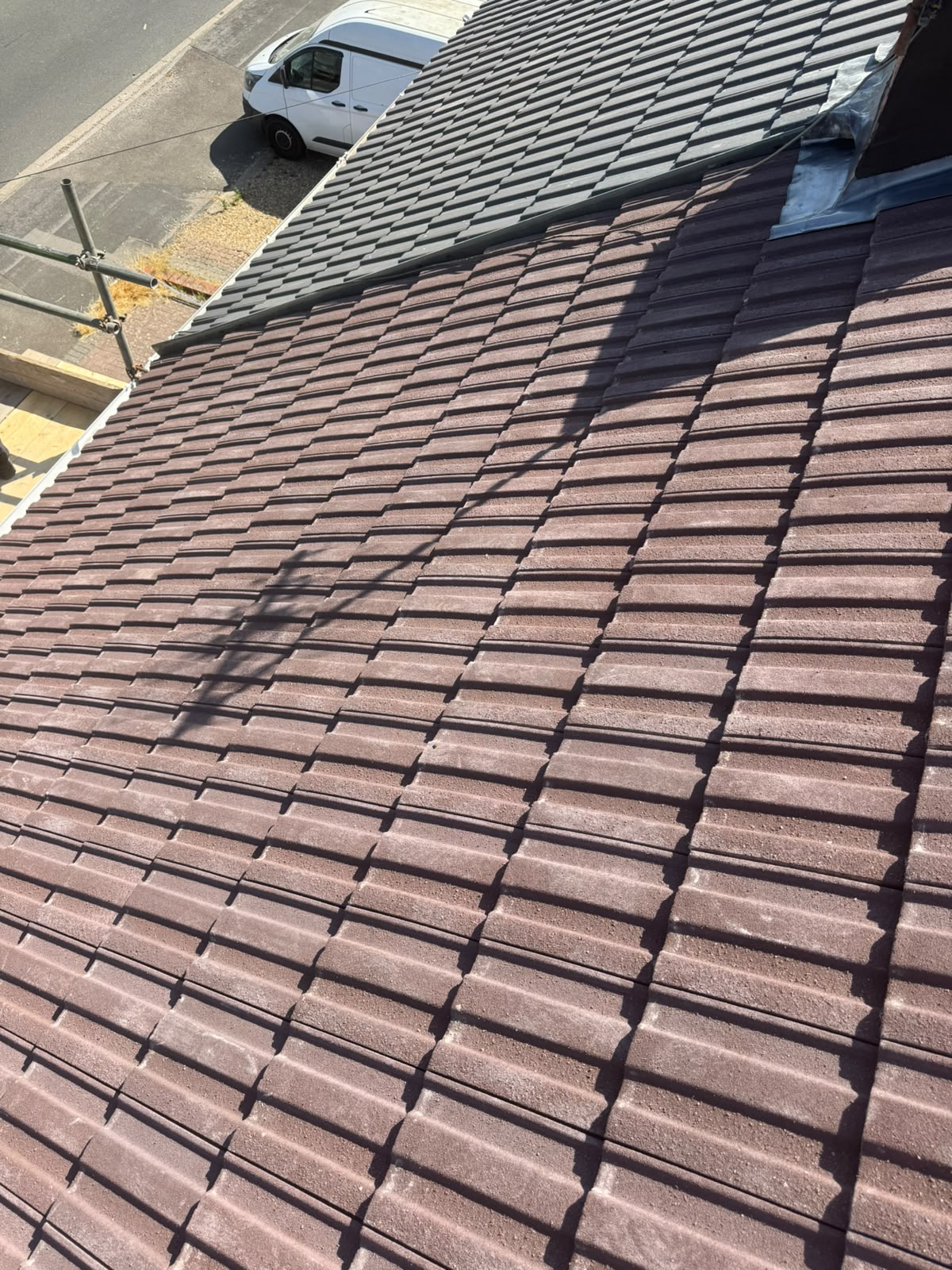
A few real examples of our workmanship out in the field.
Benefits
Why choose our pointing service
Here's what sets our approach apart, from the materials we use to the guarantees we stand behind.
Stops Water at the Ridge
Sound pointing keeps wind-driven rain from tracking beneath ridge and verge tiles into the roof structure.
Secures Loose Tiles
Re-bedding and pointing restores a secure fixing for ridge, hip and verge tiles, preventing movement or slippage.
Dry-Fix Upgrade Available
Mechanical dry-fix systems remove reliance on mortar entirely, offering a longer-lasting alternative where appropriate.
Cost-Effective Maintenance
Repointing is a relatively small job that prevents much costlier repairs from tiles working loose or slipping.
Matches Existing Mortar
We colour-match new mortar to your existing roof wherever possible for a consistent, tidy finish.
Guaranteed Workmanship
All pointing repairs are covered by our workmanship guarantee.
How It Works
Our Pointing process
A clear, step-by-step approach so you always know what's happening and when.
- 1
Roof Inspection
We check ridge, hip, verge and chimney pointing for cracking, erosion and loose tiles.
- 2
Recommendation
We advise whether traditional re-pointing or a dry-fix upgrade offers the best solution for your roof.
- 3
Removing Failed Mortar
Old, failed or crumbling mortar is carefully raked out and removed from the affected joints.
- 4
Re-Bedding Tiles
Ridge, hip or verge tiles are re-bedded securely in fresh mortar or fitted with dry-fix clips and unions.
- 5
Pointing & Finishing
Joints are neatly pointed to shed water correctly and finished to match the surrounding roof line.
- 6
Final Inspection
We check the completed pointing is secure and weathertight before considering the job finished.
FAQs
Pointing questions, answered
Still have a question about this service? We're happy to help.
Traditional pointing bonds ridge and verge tiles in place with mortar, while a dry-fix system uses mechanical clips and seals instead — dry-fix removes the risk of future mortar cracking and is increasingly common on newer roofs.
Related Services
More from our Roofing range
 Roofing
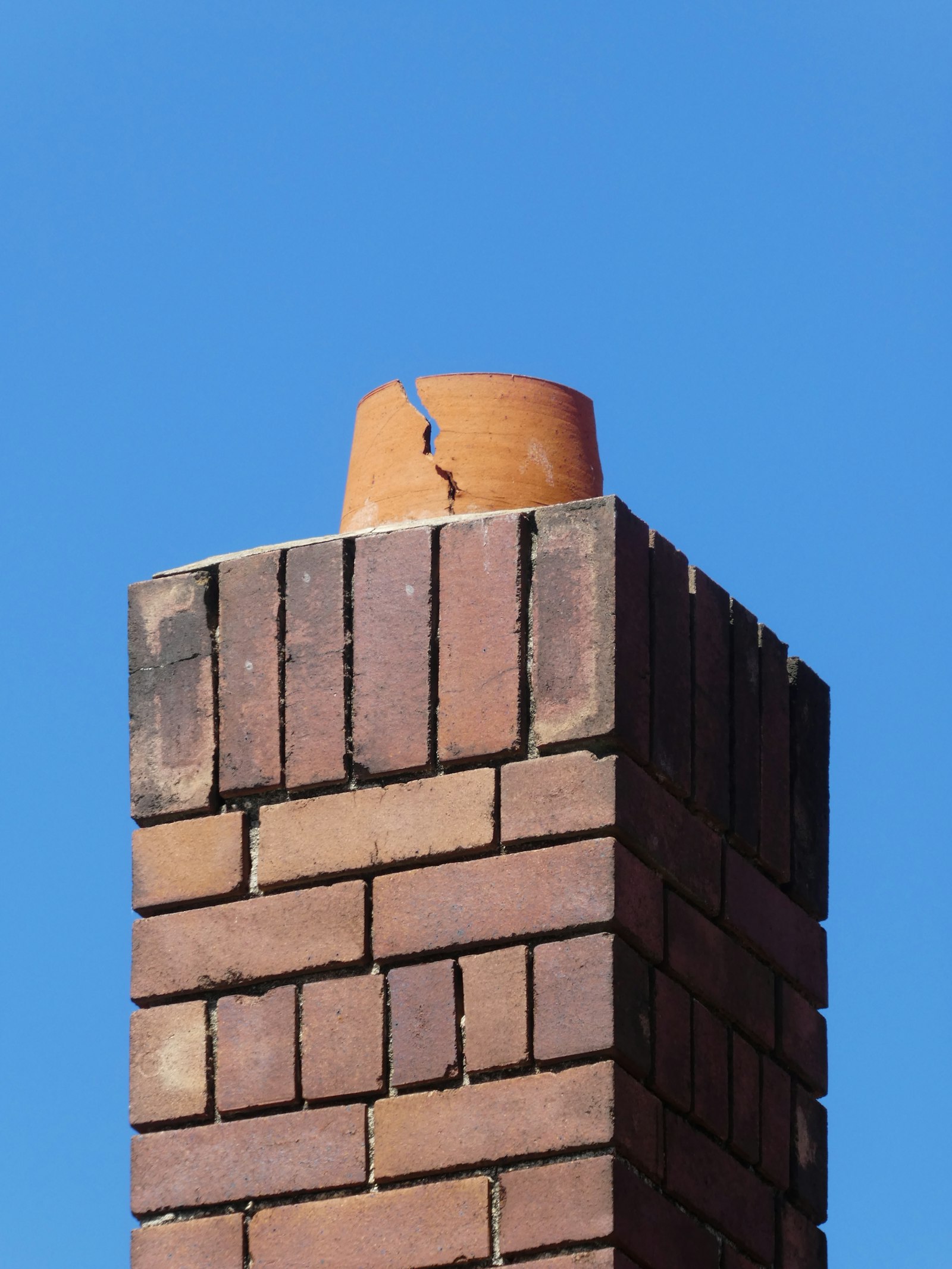
Chimney Repair
Repairs to chimney stacks, pots, flaunching and flashing to keep one of the most exposed parts of your roof weathertight.
Learn more→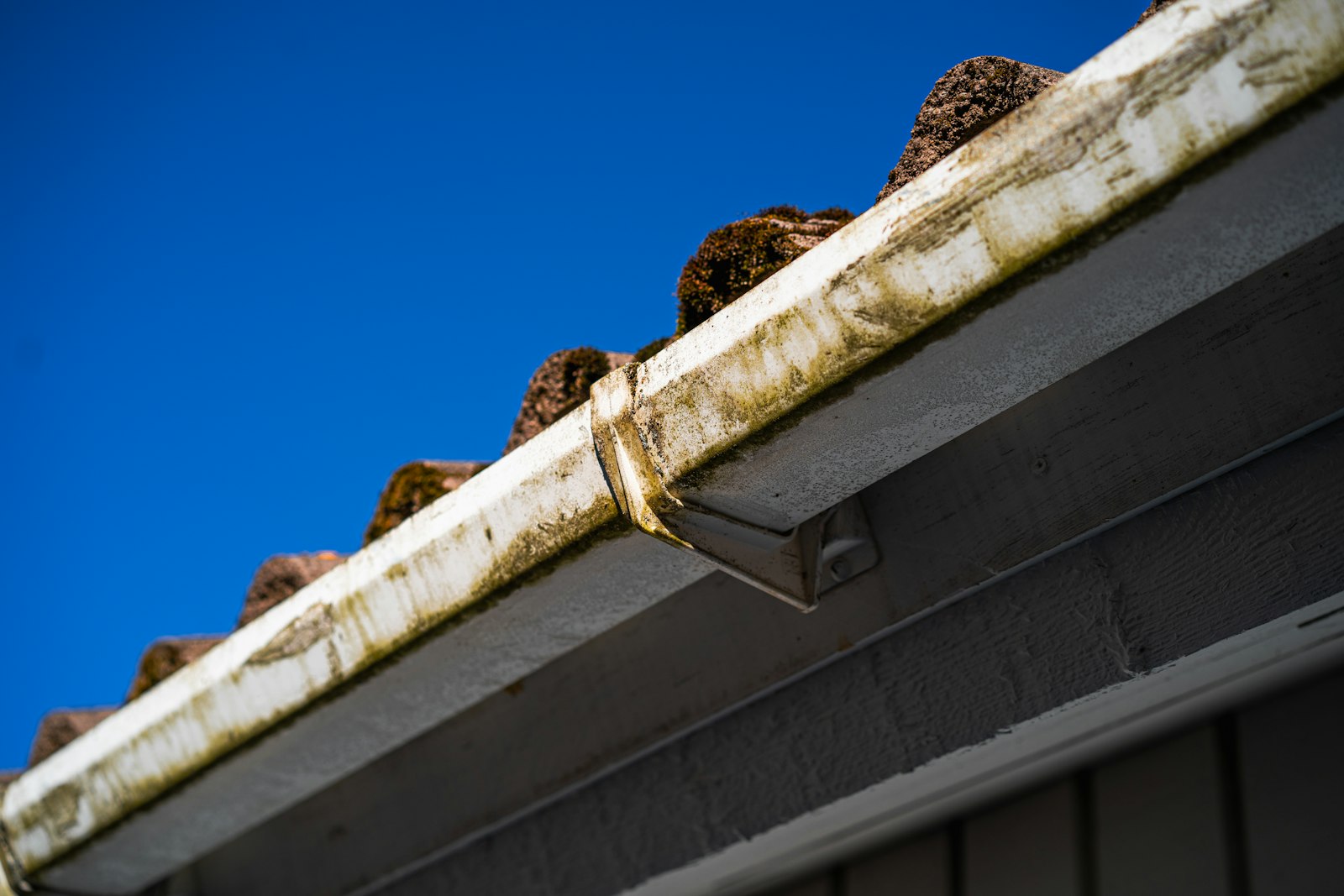 Roofing
Clean Gutters
Thorough gutter clearance, removing leaves, moss and silt so rainwater flows freely instead of overflowing onto your walls.
Learn more→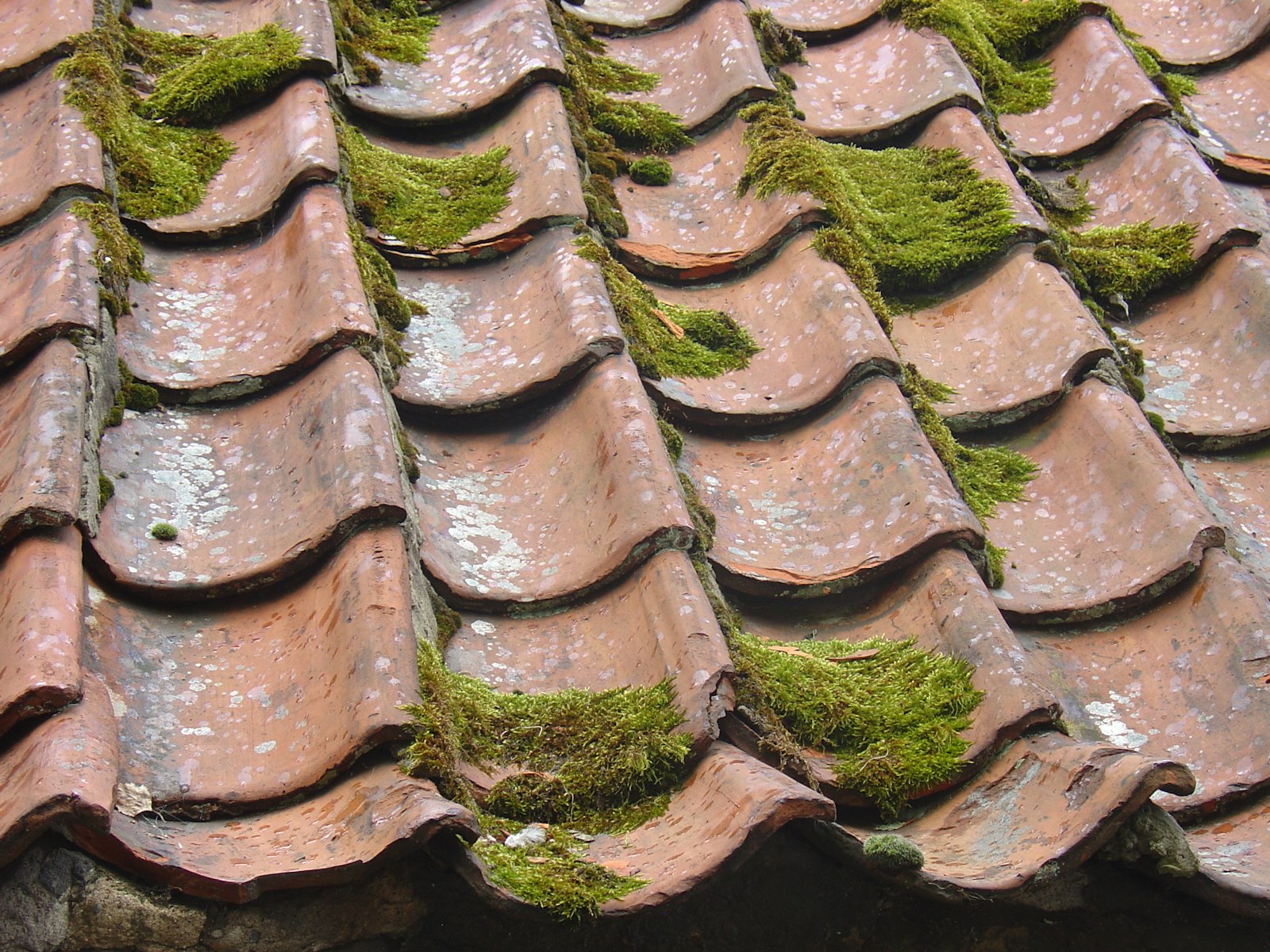 Roofing
Clean Roof
Safe, thorough moss, algae and lichen removal to protect your tiles and restore your roof's appearance without pressure damage.
Learn more→Ready to get started with pointing?
Request your free, no-obligation quote today and let's discuss your project.